
 Facebook
 X
X
 Pinterest
 Copy Link
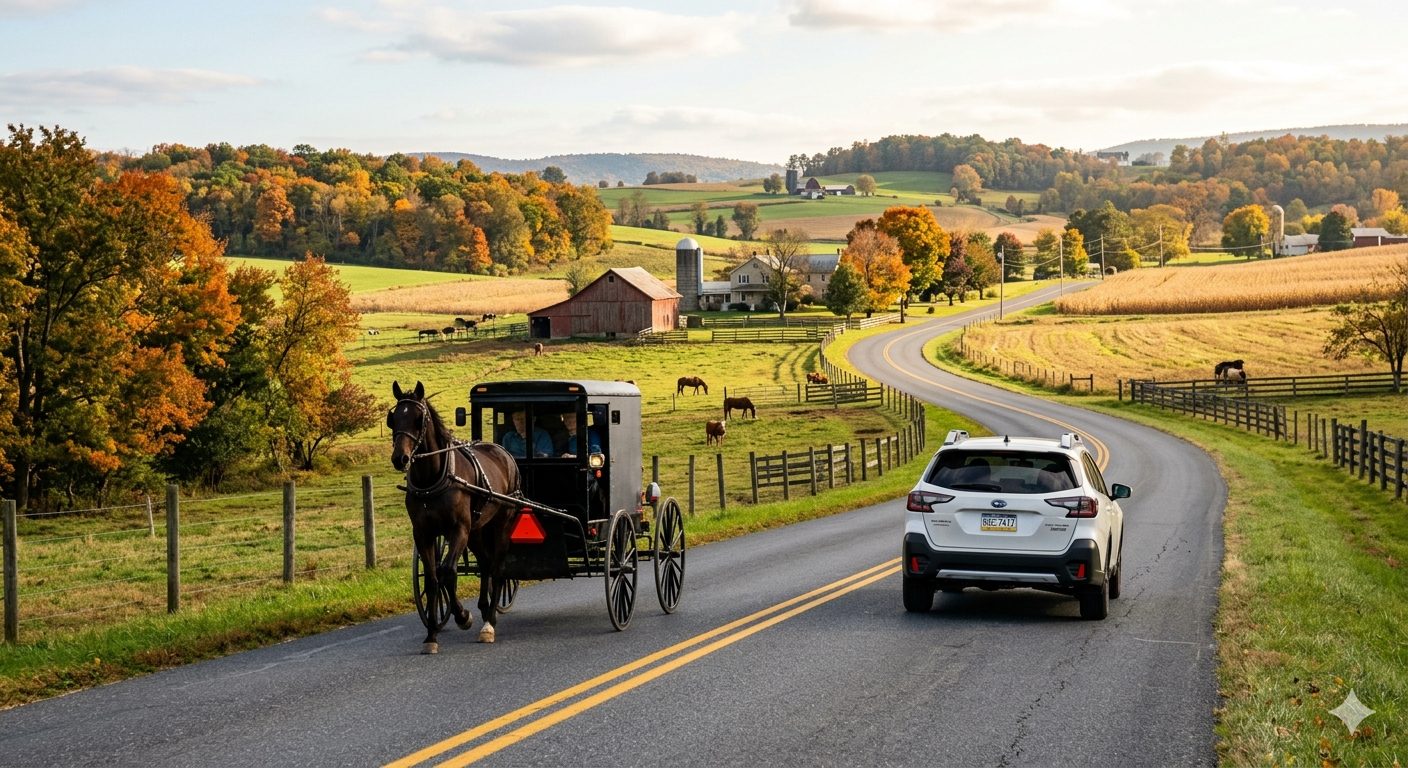
When people start looking for a home in Lancaster County, they usually focus on the house first.
The kitchen. The yard. The layout.
But over time, most homeowners will tell you something different:
Your daily life is shaped less by your house… and more by your location.
And in many cases, that comes down to one thing — your commute.
Before choosing a town, it’s worth taking a closer look at what your day-to-day movement will actually feel like.
Why Commute Time Isn’t Just About Minutes
It’s easy to type an address into GPS and feel reassured.
“25 minutes — that’s not bad.”
But commute time on a map and commute experience in real life are not always the same.
A few things that often affect Lancaster County commutes:
-
School traffic during morning and afternoon hours
-
Two-lane roads that don’t allow for much flexibility
-
Seasonal conditions (especially winter driving)
-
Traffic flow differences depending on direction
In other words, how a commute feels matters just as much as how long it is.
Common Commute Patterns in Lancaster County
Lancaster County is well-positioned, but not every location works the same for every lifestyle.
Here are a few general patterns buyers often consider:
Toward Lancaster City:
More predictable, often shorter drives depending on where you’re coming from.
Toward Harrisburg:
Common for commuters, but timing and route choice matter more than distance.
Toward York:
Generally manageable, though less direct depending on location.
Toward Philadelphia (or train access):
Requires more planning — proximity to routes and train stations becomes important.
None of these are “good” or “bad” — they just need to match your routine.
The Commute Test (That Most Buyers Skip)
Before committing to a location, try this simple step:
Drive your actual commute.
Not once — ideally twice:
-
One weekday morning
-
One evening return trip
If possible, also test:
-
A grocery store run
-
A quick errand route
-
Weekend traffic patterns
This gives you a much clearer sense of what daily life will feel like.
It’s a small step that can prevent a lot of second-guessing later.
It’s Not Just Work — It’s Your Whole Day
When thinking about location, don’t stop at your job.
Consider your full routine:
-
Where will you grocery shop?
-
How far are your go-to restaurants or coffee spots?
-
What does school or childcare travel look like?
-
How often will you be driving after dark?
A location that looks perfect on paper can feel very different once you’re living in it.
Small Differences Add Up Over Time
An extra 10 minutes each way may not seem like much.
But over time, that’s:
-
Nearly 2 extra hours per week
-
Over 80 hours per year
That’s time you could spend at home, with family, or simply not in the car.
This is why small location differences often matter more than buyers expect.
Final Thought
A home works best when it supports your daily life — not just your wish list.
In Lancaster County, where you have a mix of boroughs, suburban neighborhoods, and rural settings, the “right” location isn’t about what’s most popular.
It’s about what fits your routine.
The house is where you live.
But the location is how you live.
Frequently Asked Questions
What is the best town in Lancaster County for commuting?
It depends on where you work. Lancaster City is convenient for many local jobs, while areas closer to major routes may better suit Harrisburg, York, or Philadelphia commuters.
How can I test a commute before buying a home?
Drive the route during real working hours (morning and evening). Also test everyday errands like grocery trips to understand your full routine.
Does commute time affect home satisfaction?
Yes — many homeowners find that commute convenience plays a bigger role in long-term happiness than specific features of the home itself.
If you’re considering a move, message me your work location and daily routine — I’m happy to suggest areas in Lancaster County that tend to work well for that lifestyle.



